
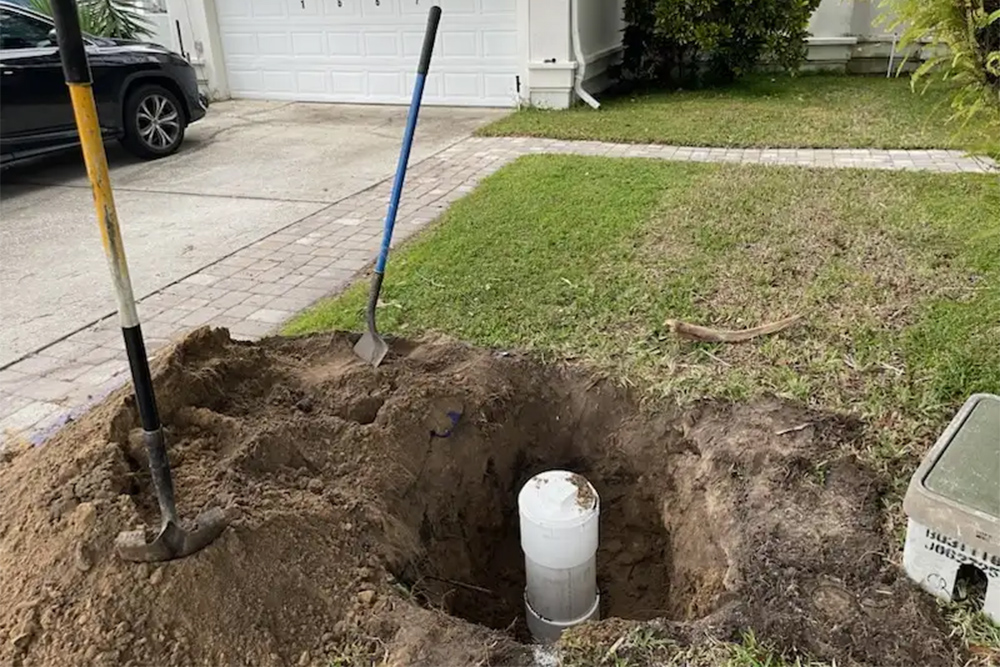
Central Florida homeowners know that heavy rain is a fact of life. From afternoon thunderstorms to tropical systems and hurricane season, the region experiences some of the most intense rainfall in the country. While most people think about roof leaks, flooding, and landscape drainage during major storms, many overlook the impact that excessive rainfall can have on septic systems and stormwater infrastructure.
At Centrel Services, we regularly help homeowners and property managers address septic and stormwater issues that arise after periods of heavy rain. Understanding how Florida's unique environmental conditions affect these systems can help property owners prevent costly repairs and protect their investments. As founder Sylvester explains: "Central Florida's sandy soil, high water tables, and heavy rains can put a lot of stress on septic drain fields and stormwater systems." That combination of factors creates challenges that require proactive maintenance, proper inspections, and expert troubleshooting.
Why Central Florida Creates Unique Drainage Challenges
Many areas of the country deal with heavy rainfall, but Central Florida presents a unique combination of environmental conditions. Property owners throughout Orlando, Osceola County, Volusia County, and surrounding communities face challenges that include:
Sandy soil conditions
Naturally high groundwater levels
Frequent thunderstorms
Seasonal tropical weather
Hurricane related rainfall
Rapid water table fluctuations
While sandy soil generally allows water to move through the ground quickly, excessive rainfall can saturate the soil and overwhelm both septic systems and stormwater infrastructure. When groundwater levels rise, there is less room underground for wastewater and stormwater to be absorbed properly. This is where many problems begin.
How Heavy Rain Impacts Septic Systems
A properly functioning septic system depends on the ability of the drain field to disperse wastewater into surrounding soil. When heavy rainfall saturates the ground, that process becomes more difficult. The drain field essentially competes with rainwater for available soil absorption capacity. As the soil becomes saturated, wastewater may struggle to move through the system efficiently. This can create several common issues.
Slow Drains Throughout the Home
One of the first warning signs homeowners notice is slower drainage. Sinks, tubs, showers, and toilets may begin draining more slowly than normal. While many people assume a plumbing blockage is responsible, heavy rainfall can sometimes be the underlying cause. When groundwater levels rise, wastewater movement through the drain field slows significantly. The result is sluggish system performance throughout the property.
Gurgling Plumbing Fixtures
Many homeowners hear bubbling or gurgling sounds after major rain events. These sounds often indicate that wastewater is having difficulty moving through the system. According to Sylvester: "Bubbling or gurgling and very saturated grass over the drain field area are signs that need investigation." Although gurgling does not always indicate drain field failure, it should never be ignored. Professional troubleshooting can determine whether weather conditions, maintenance issues, or more serious problems are involved.
Standing Water Around the Drain Field
Another common symptom is water accumulation above the drain field. Saturated ground may remain wet long after rainfall has stopped. In some cases, standing water may become visible on the surface. This occurs when the soil cannot absorb additional water because groundwater levels are already elevated. When wastewater cannot disperse effectively, system performance suffers.
Sewage Odors Following Rainstorms
Unpleasant odors often appear when septic systems struggle during wet conditions. If wastewater cannot filter properly through saturated soil, smells may become noticeable around the drain field area. These odors can indicate that additional inspection and evaluation are necessary.
The Relationship Between Stormwater and Septic Systems
Many property owners do not realize how closely stormwater management and septic system performance are connected. When stormwater is not properly controlled, excess water can place significant strain on wastewater infrastructure. This is why stormwater systems play such an important role in protecting septic systems.
Poor drainage conditions may contribute to:
Drain field saturation
Erosion around septic components
Soil instability
Reduced wastewater absorption
Increased risk of system overload
At Centrel Services, we often evaluate both systems together to ensure property owners receive a complete solution.
What Happens During Major Storm Events?
Florida's hurricane season creates unique challenges for septic and stormwater systems. Heavy rainfall over several days can dramatically increase groundwater levels. When this happens, even properly functioning systems may experience temporary stress.
Sylvester explains: "During major rain events, we offer pumping services to help relieve overloaded systems and respond quickly afterward to help systems recover." This proactive approach helps reduce pressure on wastewater systems while supporting recovery after severe weather. The key is acting quickly when symptoms begin to appear. Waiting too long can increase the risk of backups, property damage, and more extensive repairs.
Why Inspections Matter After Heavy Rain
Many septic issues become visible only after severe weather events. This is why post storm inspections are often one of the most valuable services available to homeowners. According to Sylvester: "We recommend inspections, including CCTV evaluations when needed, to check for leaks, evaluate soil conditions, and make sure the system is functioning properly."
Inspections allow technicians to identify developing issues before they become major failures. Areas commonly evaluated include:
Septic tanks
Drain fields
Sewer lines
Stormwater infrastructure
Underground utility connections
Groundwater impact zones
Early detection often results in lower repair costs and fewer disruptions.
How Sewer Camera Inspections Help Identify Hidden Problems
Rainwater can sometimes expose weaknesses that have existed underground for years. Cracked pipes, joint separations, root intrusion, and blockages may become more apparent when systems are stressed by wet conditions. This is why camera inspections are such a valuable diagnostic tool.
Sylvester explains: "We rely on precise camera inspections to detect different degrees of pipe offsets, blockages, and other issues that may lead to the symptoms a property owner may be facing." Camera inspections help identify hidden leaks, pipe damage, structural defects, root intrusion, obstructions, and flow restrictions. Without excavation, technicians can see exactly what is happening inside the system.
The Importance of Routine Septic Maintenance
One of the best ways to prepare for Florida's rainy season is through routine maintenance. A properly maintained septic system handles environmental stress more effectively than a neglected one. Regular septic pumping helps prevent solids from accumulating and interfering with system performance.
Routine maintenance may include:
Septic tank pumping
Filter cleaning
System inspections
Drain field evaluations
Performance testing
As Sylvester points out, maintenance often prevents larger issues from developing. A simple filter cleaning or routine pumping service may help avoid far more expensive repairs later.
When Heavy Rain Reveals Drain Field Problems
In some situations, rainfall does not create the problem but simply exposes one that already existed. A drain field that has been gradually losing performance may function adequately during dry periods but struggle during wet weather.
Common signs include:
Extremely green grass over the drain field
Persistent wet spots
Recurring odors
Slow drainage throughout the home
Frequent backups
According to Sylvester: "Any smells in the air or around the top of the drain field area are definitive indicators that the drain field needs to be replaced and is hydraulically overloaded." Professional evaluation can determine whether repairs or replacement are necessary.
Experience Matters When Diagnosing Weather Related Problems
One of the challenges with septic and stormwater issues is that symptoms often overlap. A plumbing blockage can look like a septic problem. A saturated drain field can mimic a sewer line issue. A stormwater problem can affect wastewater performance. That is why Centrel Services focuses heavily on diagnostics and troubleshooting: "We use troubleshooting to let us know exactly what could be the cause so that we address it, whether it's a repair, replacement, installation, or maintenance service."
Rather than guessing, we investigate the entire system and identify the actual source of the problem. This approach saves customers time, money, and frustration.
Protect Your Property Before the Next Florida Storm
Heavy rain is inevitable in Central Florida, but costly septic and stormwater failures are not. Regular inspections, preventative maintenance, professional diagnostics, and proper stormwater management can significantly reduce your risk of major problems during Florida's rainy season. Whether you own a residential property, commercial facility, HOA community, or investment property, understanding how rainfall affects underground systems is critical to protecting your investment.
Centrel Services provides septic inspections, septic tank pumping, sewer camera inspections, drain field repair, stormwater system services, and underground utility expertise throughout Orlando, Osceola County, Volusia County, and surrounding Central Florida communities.
If you have noticed slow drains, standing water, sewage odors, saturated ground, or other warning signs after heavy rainfall, contact Centrel Services today. Our experienced team can evaluate your system, identify the root cause, and provide the right solution to keep your property operating safely and efficiently.