
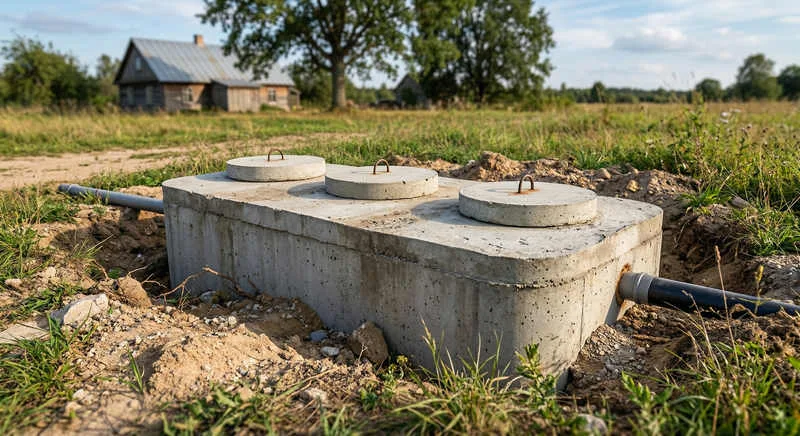
Most homeowners in Daytona Beach don't think about their septic tank until something goes wrong. But waiting for a backup is a messy, expensive mistake. A healthy septic system is essential for a clean home and a safe environment, especially given Florida's high water table and sandy soil.
If you're wondering how often to schedule septic tank pumping in Daytona Beach, the short answer is usually every 3 to 5 years. However, that timeline isn't set in stone. Factors like your household size, water usage, and tank capacity all play a huge role.
Understanding your specific needs helps you avoid emergency calls and keeps your plumbing running smoothly.
What Affects Pumping Frequency?
Not every home needs pumping on the same schedule. A retired couple living in a two-bedroom home in Port Orange will have very different needs than a family of six in a large house near the Speedway. Here are the main factors that change the math.
Household Size
The more people living in your home, the more waste goes into the tank. A family of four typically fills a standard 1,000-gallon tank much faster than a single person. If you have frequent visiting guests or a large family, you might need to look at pumping every 2 to 3 years instead of waiting for the 5-year mark.
Tank Size
Septic tanks in Florida usually range from 900 to 1,500 gallons. A smaller tank obviously holds less waste and requires more frequent attention. If you don't know the size of your tank, a professional inspection can help determine its capacity and set a proper maintenance schedule.
Water Usage
Every drop of water that goes down your drain ends up in the septic tank. High-efficiency appliances help, but if you're running multiple loads of laundry daily or taking long showers, the water level in your tank rises quickly. Excessive water usage can flush solids into the drainfield before they break down, leading to expensive repairs.
Solid Waste Accumulation
If your household uses a garbage disposal frequently, you're adding significant solid waste to the tank. We generally recommend avoiding garbage disposals if you're on septic. Food scraps don't break down as easily as sewage, meaning the sludge layer at the bottom of your tank builds up faster, requiring more frequent pumping.
Signs Your Septic Tank Needs Pumping
Ideally, you pump your tank before there are warning signs. But if you've lost track of your last service date, your plumbing will eventually tell you it's time. Ignoring these signs in Florida's warm climate can lead to health hazards and foul smells rapidly.
Slow Drains
If your kitchen sink, shower, and toilet are all draining more slowly than usual, it's rarely a simple clog in the pipes. It usually means the tank is full and the wastewater has nowhere to go.
Gurgling Sounds
Listen to your plumbing. If you hear a "glug-glug" sound from the toilet when you run the sink, or vice versa, trapped air is struggling to escape a full system.
Sewage Odors
A healthy septic system should be odorless. If you smell rotten eggs or sewage inside your home or out in the yard near the tank, gases are escaping. This is a clear signal that the tank needs immediate attention.
Standing Water
If you see puddles forming in your yard near the septic tank or drainfield—especially if it hasn't rained recently—the tank is likely overflowing. This "pooling" often means the drainfield is saturated and can't accept any more liquid.
Plumbing Backups
This is the worst-case scenario. If sewage backs up into your bathtub or toilets, stop using water immediately. This is an emergency that requires professional pumping right away.
Frequency Guidelines for Florida Homes
So, how often should you really pump? While the national average suggests every 3 to 5 years, Florida's unique environment often requires a closer eye.
In our area, the sandy soil drains quickly, but our high water table can complicate things during the rainy season. For most Daytona Beach homes, we recommend an inspection every 3 years. During this inspection, a technician measures the sludge and scum layers. If the bottom sludge layer takes up more than one-third of the tank's volume, it's time to pump.
This proactive approach prevents solids from escaping into the drainfield. Once solids clog your drainfield pipes, you're looking at a replacement cost that can easily exceed $5,000 to $10,000, compared to a standard pumping service, which is a fraction of that price.
Also, be aware of commercial grease trap cleaning if you own a business or a property with a commercial kitchen. Grease accumulation destroys septic systems faster than almost anything else.
DIY vs. Professional Pumping
We love the DIY spirit, but septic tank pumping is not a job for homeowners. It requires specialized equipment and carries serious safety risks.
The Dangers of DIY
Septic tanks produce methane and hydrogen sulfide gases, which are toxic and flammable. Opening a tank without proper training can be dangerous. Additionally, without a pump truck, you have no way to legally or safely dispose of hundreds of gallons of raw sewage.
Benefits of Professional Service
When you hire a professional for septic tank pumping Daytona Beach, you aren't just paying for waste removal. You're paying for an inspection. Our technicians check the inlet and outlet baffles, look for structural cracks, and ensure the filter is clean.
Professionals also ensure compliance with Florida environmental regulations. Illegal dumping of sewage carries massive fines and severe environmental consequences for our local waterways and beaches.
Choosing the Right Service
Not all septic companies are created equal. When looking for a provider in Volusia County, do your homework to ensure you're getting quality service.
Licensing and Insurance
Always verify that the company is licensed to operate in Florida and carries adequate insurance. This protects you if anything gets damaged during the process.
Experience and Reputation
Look for established local companies that know the specific challenges of neighborhoods like Holly Hill or Ormond Beach. A company with a long track record is likely to be around to honor its work.
Pricing Transparency
Get a clear quote upfront. Standard pumping costs generally range between $300 and $600, depending on the tank size, but you should ask about any potential extra fees for digging up the lid or locating the tank.
References
Check customer reviews. Neighbors are often the best source of honest feedback.
Maintenance Tips to Reduce Pumping
You can extend the life of your system and potentially go longer between pump-outs by treating your septic system with care.
Conserve Water
Fix leaky faucets and running toilets immediately. A running toilet can waste up to 200 gallons of water a day, flooding your septic tank and preventing solids from settling properly.
Watch What You Flush
Your toilet is not a trash can. Never flush wipes (even "flushable" ones), feminine hygiene products, paper towels, or cigarette butts. These items don't break down and fill up your tank rapidly.
Maintain the Drainfield
Keep heavy vehicles off your drainfield area to avoid crushing the pipes. Also, keep deep-rooted trees and shrubs away from the system, as roots can infiltrate and block the lines. Proper storm drain & drainage systems help direct excess rainwater away from your drainfield, preventing saturation.
Be Careful with Additives
There's a lot of debate about septic tank additives. In Florida, many experts believe that a healthy system doesn't need biological additives because our warm climate naturally encourages bacterial growth. Chemical additives, on the other hand, should generally be avoided as they can harm the natural bacteria that break down waste.
The Bottom Line on Septic Care
Regular maintenance is the smartest investment you can make for your home's plumbing. Pumping your tank every 3 to 5 years prevents disastrous backups, protects your property value, and keeps our local environment clean.
If your sinks are draining slowly or it's been a few years since your last service, don't wait for a messy emergency.
Need Help With Your Septic System?
We are here to help Daytona Beach homeowners keep their systems running smoothly. Contact Centrel Services today at (321) 363-1995 for a professional inspection or pumping service.