
Living in Florida comes with plenty of perks, but managing a septic system during our rainy season isn't always one of them. If you're new to septic ownership or just want to avoid a messy backup, understanding how your system works is the first step.
In Central Florida, septic systems are more than just underground tanks; they are sensitive biological environments that process waste every single day. Neglecting them can lead to backups, foul odors, and expensive repairs that often exceed $5,000. Here is how to keep your system running smoothly and when to call a pro.
How Does Your Septic System Work?
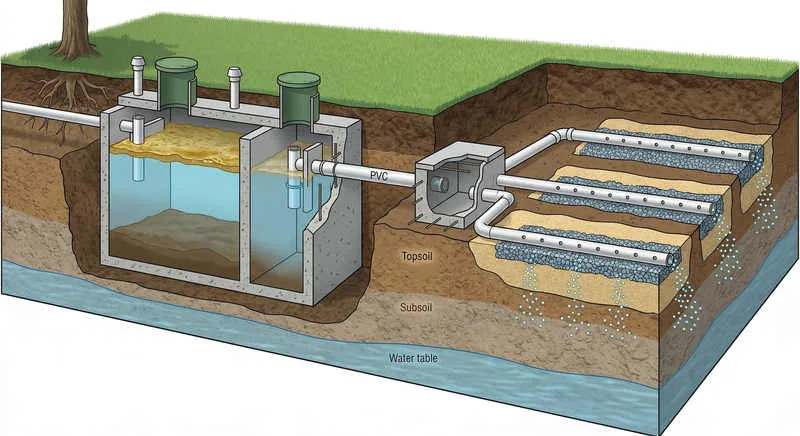
Your septic system separates solid waste from wastewater before filtering it back into the soil. It consists of two main parts: the septic tank and the drainfield (or leach field).
When water leaves your house, it flows into the tank. Solids settle at the bottom as sludge, while oils and grease float to the top as scum. The liquid wastewater (effluent) sits in the middle and flows out into the drainfield. Here, the soil naturally filters out bacteria and viruses before the water rejoins the groundwater supply.
In areas like Deltona and Sanford, our sandy soil and high water table present unique challenges. During heavy summer storms, the ground becomes saturated, making it harder for drainfields to absorb water. That’s why maintaining the right bacterial balance in your tank is critical for breaking down solids efficiently.
How Often Should You Pump Your Tank?
In Florida, pump your septic tank every 3 to 5 years. If you have a garbage disposal, a large family, or a smaller tank (under 1,000 gallons), you'll likely need to pump it every 2 to 3 years.
Regular pumping prevents sludge from overflowing into the drainfield. Once sludge clogs the drainfield pipes, the entire system can fail, requiring a complete replacement. A standard septic tank pumping Deltona typically costs between $300 and $500, which is significantly cheaper than a $15,000 drainfield replacement.
We offer lift station services for properties with elevation challenges, ensuring your waste moves efficiently even against gravity.
What Can You Flush Down the Toilet?
Only flush human waste and toilet paper. Your septic system relies on bacteria to break down solids, and inorganic materials can disrupt this process or cause physical clogs.
Never flush these items:
- "Flushable" Wipes: These do not dissolve quickly enough and are the #1 cause of septic backups we see in Volusia County.
- Paper Towels & Tissues: These are designed to hold together when wet, unlike toilet paper.
- Grease & Oil: Pouring cooking grease down the sink creates a hardened layer in your tank that blocks inlet pipes.
- Chemicals: Bleach, paint thinners, and harsh drain cleaners kill the good bacteria your tank needs to function.
In our experience serving neighborhoods like Saxson Woods, we often find that simple behavioral changes—like throwing wipes in the trash—prevent the majority of emergency calls.
How Does Water Usage Affect Your Septic?
Using too much water at once can overwhelm your septic tank, forcing solids into the drainfield before they settle. This is a common issue during the holidays when guests are visiting.
To protect your system:
- Spread Out Laundry: Don't do five loads on Saturday morning. Spread them out over the week.
- Fix Leaks Immediately: A running toilet can waste up to 200 gallons a day, constantly flooding your drainfield.
- Install High-Efficiency Fixtures: Modern toilets and showerheads use significantly less water without sacrificing pressure.
If your drainfield is constantly soggy, it might be a sign of hydraulic overload. This requires an inspection to determine if the issue is water usage or a failing field.
Can Landscaping Damage My Septic System?
Yes, tree roots are a major threat to septic pipes and tanks. Roots seek out moisture and nutrients, making your septic system a prime target.
Avoid planting large trees like oaks, willows, or maples within 20 to 30 feet of your septic system. Instead, plant grass or shallow-rooted plants over the drainfield. This helps prevent soil erosion without risking root intrusion.
When we handle site development & underground utilities projects, we always map out root zones to prevent future pipe damage. If you're planning a new garden near Lake Monroe, check your septic map first.
What Are the Signs of Septic Failure?
Slow drains, gurgling toilets, and wet spots in the yard are the most common signs of a failing septic system.
Watch for these red flags:
- Foul Odors: A sulfur or sewage smell around your tank, or drainfield, usually means a leak or a full tank.
- Backup: Sewage backing up into your bathtub or toilets is an emergency. Stop using water immediately.
- Algal Blooms: Bright green, lush grass growing over your drainfield—especially during dry spells—indicates wastewater is surfacing.
If you notice any of these signs, don't wait. Early detection often means the difference between a simple repair and a full system replacement.
How Do I Choose a Septic Professional?
Always hire a state-licensed Florida septic contractor. Septic work is highly regulated to protect public health and our groundwater.
When vetting a company:
- Check Licenses: Ensure they hold a valid Master Septic Tank Contractor registration with the Florida Department of Environmental Protection.
- Ask for Estimates: Get a clear written estimate that includes disposal fees.
- Read Reviews: Look for companies with a history of reliability in your specific area, whether that's Deltona or down in Orlando.
Our technicians typically find that unlicensed "handyman" repairs often violate code and end up costing homeowners double to fix properly later.
Florida Regulations You Need to Know
Florida has strict laws regarding septic maintenance and installation, especially near natural springs. The Florida Springs and Aquifer Protection Act may require specific nitrogen-reducing systems in certain zones.
If you're buying an older home in Deltona, verify the age of the system. Systems installed before 1983 might not meet current setback requirements. A professional inspection will clarify if the system is grandfathered in or needs upgrading.
We understand these local codes inside and out. We help homeowners navigate the permitting process so your repairs are legal, safe, and effective.
Need Help With Your Septic System?
Septic maintenance isn't glamorous, but it keeps your home sanitary and your property value high. Whether you need a routine inspection or emergency septic tank pumping Deltona, reliable service is just a phone call away.
Contact Centrel Services at (321) 363-1995 today. We provide honest assessments and quality work for homeowners across Central Florida.