
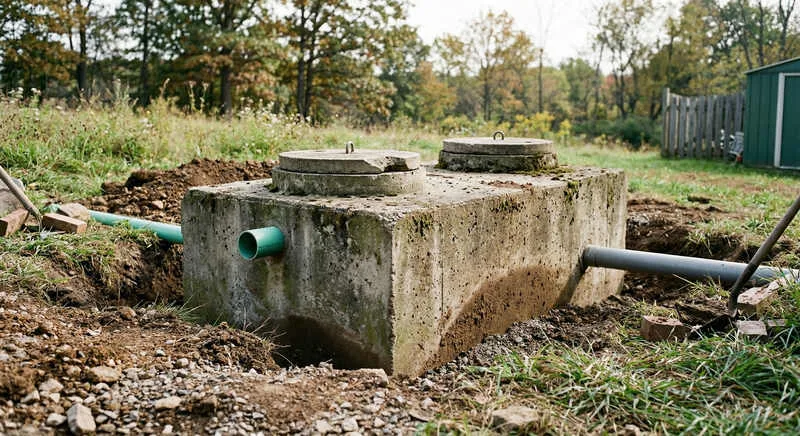
If you own a home in Kissimmee or anywhere in Osceola County, there's a good chance your property has a septic system. And starting in 2026, new state regulations under Florida's Clean Waterways Act could require you to take action. Deadlines are approaching, and some homeowners are already behind.
Centrel Services serves Kissimmee and surrounding Central Florida communities and helps homeowners understand exactly where they stand. Call (321) 363-1995 for a free on-site assessment today.
The law is called HB 1379, also known as the Florida Clean Waterways Act. Florida passed it in 2020, but the real pressure lands on homeowners in 2026. This post breaks down what the law requires, which properties are affected first, what financial help is available, and what steps to take right now.
What Does the Florida Clean Waterways Act Actually Require?
The Florida Clean Waterways Act requires septic systems located within 500 feet of certain water bodies or within designated Onsite Sewage Treatment and Disposal System (OSTDS) priority areas to be inspected, upgraded, or connected to central sewer systems. Systems that fail inspection must be repaired or replaced within specific timeframes set by the Florida Department of Health and county authorities.
The law targets nutrient pollution, specifically nitrogen and phosphorus from aging septic systems that seep into groundwater and flow into Florida's lakes, rivers, and springs. Lake Toho, just west of downtown Kissimmee, is one of the bodies of water that has seen measurable water quality impacts from surrounding development and aging infrastructure.
Which Counties and Zones Are Affected First?
Priority zones under HB 1379 are determined at the county level. Osceola County, home to Kissimmee, falls within the South Florida Water Management District's regulatory area, meaning properties near the Kissimmee Chain of Lakes, Shingle Creek, and similar water bodies face the earliest compliance windows.
Orange County properties near the Butler Chain of Lakes and the Wekiva River Protection Area face similar scrutiny. Seminole County has active programs targeting the St. Johns River basin.
If your home sits near a lake, river, or spring, assume you're in a priority area until a licensed contractor confirms otherwise. Most homeowners in older Kissimmee neighborhoods, particularly those east of US-192 and in the Buenaventura Lakes area, should treat 2026 as a real deadline.
Does Your Septic System Fall Under the 2026 Mandate?
Your system falls under the 2026 requirements if it meets one or more of these criteria:
- Located within 500 feet of an Outstanding Florida Water, a spring, or a spring protection zone
- Located in a county-designated priority basin where nitrogen loading has been identified as a water quality problem
- Identified as a failing system during a county or state inspection
- Part of a designated "septic to sewer" conversion zone established by your county utilities authority
Systems built before 1983 are considered high-risk by default. Florida estimates roughly 2.6 million septic systems are currently in use statewide, and a significant percentage predate modern treatment standards. Our technicians find that older systems in Kissimmee neighborhoods frequently show signs of drain field stress that owners weren't aware of. Early septic tank pumping and a proper inspection often reveal whether a system has years of life left or needs immediate attention.
What Grants and Financial Assistance Are Available?
Cost is the top concern for most homeowners, and that's completely understandable. A septic-to-sewer conversion can run $5,000 to $15,000 or more, depending on distance to the nearest sewer main. A full septic system replacement typically falls between $8,000 and $15,000. Neither is a small number.
Here's what's available to offset those costs:
Florida Department of Environmental Protection (FDEP) Septic Upgrade Incentive Program: This program provides financial assistance to homeowners in priority areas who voluntarily upgrade or connect to sewer. Funding amounts vary by county and funding cycle, but grants of $5,000 to $10,000 per household have been awarded in previous cycles.
Osceola County Utility Programs: Osceola County has run connection assistance programs for lower-income homeowners in areas being converted to central sewer. Contact Osceola County Utilities directly to ask about current availability.
USDA Rural Development Program: Properties in qualifying rural zones may be eligible for low-interest loans through the USDA to cover sewer connection or septic upgrade costs.
SunState Federal Credit Union and other Florida lenders offer home improvement financing specifically for septic and sewer upgrades.
Apply early. Funding for these programs is limited and allocated on a first-come basis. Homeowners who wait until they receive a notice of violation lose access to the best financial options.
What Steps Should You Take Right Now?
Don't wait for a county notice to arrive in your mailbox. Here's a practical sequence to follow:
Step 1: Confirm your system's location and age. Pull your property records from the Osceola County Property Appraiser or Florida Department of Health to find the date your system was permitted and its distance from nearby water bodies.
Step 2: Schedule an inspection and pump-out. A current inspection tells you whether your system is functioning properly or already failing. Septic systems in Kissimmee should be pumped every 3 to 5 years. If yours hasn't been serviced recently, start there. Proper septic systems maintenance in Kissimmee, Florida is the fastest way to catch a problem before it becomes a compliance violation.
Step 3: Get a sewer line camera inspection. If your system shows any signs of drain field stress or slow drainage, a camera inspection pinpoints exactly where the problem is. This costs $200 to $400 and saves thousands in guesswork.
Step 4: Contact your county about your specific compliance timeline. Once you know your system's status, call Osceola County or Orange County's environmental health division and ask specifically whether your address is in a designated priority basin.
Step 5: Start the permit process early. Permits for septic upgrades or sewer connections in Florida require county approval and can take 4 to 12 weeks. Contractors book up fast when deadlines approach. Getting into the queue now avoids the surge pricing and scheduling delays that hit in late 2025 and 2026.
Does Compliance Protect Your Property Value?
Yes. Significantly. Homes with documented, compliant septic systems sell faster and at higher prices than those with unresolved violations or aging systems. Real estate transactions in Kissimmee's established neighborhoods, including areas around Celebration and the communities south of the Loop, increasingly involve septic disclosure requirements. A buyer's inspection that flags a failing or non-compliant system can kill a deal or knock tens of thousands off the sale price.
Proper septic systems maintenance in Kissimmee, Florida isn't just about following the law. It protects one of your biggest financial assets.
There's also the water quality angle. Lake Toho is a fishing destination and a source of local pride. Keeping nutrients out of the watershed keeps the lake healthy, supports property values across the region, and avoids the kind of algae blooms that hurt tourism and quality of life.
Ready to Get Ahead of the 2026 Deadline?
Homeowners who act now have options. Those who wait get compliance notices, limited contractor availability, and no access to grant funding. Septic systems maintenance in Kissimmee, Florida needs to start with a real assessment of what you have and what the regulations require of your property.
Centrel Services provides licensed septic inspections, pump-outs, sewer camera inspections, and full system evaluations throughout Kissimmee, Osceola County, and Central Florida. Call (321) 363-1995 to schedule your free on-site assessment and get a clear picture of where your system stands before the deadline hits.