
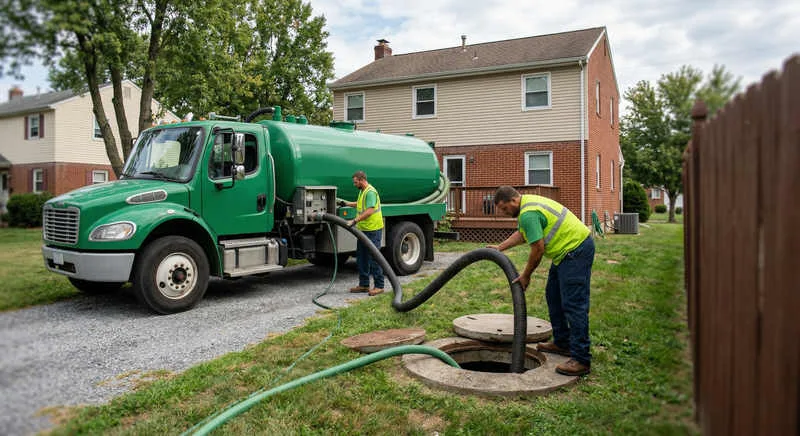
In Florida, your septic system is the unsung hero of your home. Unlike city sewage lines, where you flush and forget, a septic tank requires a bit of partnership. If you live outside the main city sewage grid—like many homeowners in Kissimmee, St. Cloud, or rural Orange County—you're responsible for waste management on your property.
Neglecting this responsibility isn't just messy; it's expensive. Most homeowners don't think about their tank until toilets stop flushing or the backyard smells like a swamp. But by then, the damage is already done. Understanding how your tank works and when to service it is the key to avoiding a disaster that could cost thousands in repairs.
What Factors Change How Often You Need Pumping?
A standard septic tank needs pumping every 3 to 5 years, but that timeline shrinks drastically based on how you use your home.
Think of your septic tank like a car's oil filter. If you drive hard and fast every day, you need to change the oil sooner. Similarly, if your household is busy, your tank fills up faster.
Household Size and Water Usage
The number of people living in your home is the biggest factor. A family of five in a 3-bedroom house in Poinciana will fill a tank much faster than a retired couple in the same-sized home. More people mean more showers, more laundry, and more flushes.
High water usage pushes waste through the system too quickly. If you run five loads of laundry in one day, the solid waste in the tank doesn't have enough time to settle at the bottom. It gets stirred up and pushed out into the drain field, which can clog the soil and lead to total system failure.
Septic Tank Size
Tank size matters. Florida code typically requires a minimum 900-gallon tank for a 3-bedroom home, but older homes might have smaller tanks (750 gallons). If you have a large family but a smaller, older tank, you might need septic tank pumping every 2 years instead of the standard 3 to 5.
What You Flush Matters
Your septic tank is designed to treat human waste and toilet paper. That's it. If you use a garbage disposal heavily or flush "flushable" wipes, feminine hygiene products, or grease, you're accelerating the accumulation of solid sludge. These items don't break down. They sit at the bottom of the tank, reducing its capacity and forcing you to pump it much sooner.
Signs It Is Time to Pump Your Septic Tank
Your septic system will usually tell you when it's struggling before it fails. You just have to know what to listen (and smell) for.
Slow Drains and Plumbing Issues
If your kitchen sink drains slowly, it might be a clog in the P-trap. But if the kitchen sink, the shower, and the toilet are all draining slowly at the same time, your septic tank is likely full. When the tank reaches capacity, there is nowhere for new water to go, so it backs up into your pipes.
Gurgling Sounds
Have you ever flushed the toilet and heard a weird "glug-glug" sound coming from the shower drain? That's the sound of air being trapped in the pipes because the tank is too full to vent properly. It's a ghost in the machine telling you to call for service immediately.
Sewage Odors
A healthy septic system should be odorless. If you start smelling rotten eggs or sulfur inside your home near drains or outside near the tank lid, gases are escaping where they shouldn't. This is often an early warning sign that the tank is nearing its limit.
Soggy Areas in the Yard
Walk around your drain field (the area of grass near the tank). Is the grass surprisingly green and lush compared to the rest of the yard? Is the ground spongy or soggy, even though it hasn't rained? This usually means the drain field is failing because the tank is overflowing with wastewater.
What Happens If You Don't Pump Your Tank?
Skipping a $300 maintenance pump-out can easily turn into a $15,000 drain field replacement.
System Failure and Costly Repairs
When you don't pump the tank, heavy sludge builds up until it reaches the outlet pipe. Once sludge flows out of the tank and into the drain field pipes, it seals the soil like concrete. The water can no longer soak into the ground. At this point, pumping the tank won't resolve the problem; you often have to dig up the entire yard and install a new drain field.
In some cases, if the blockage is severe but hasn't destroyed the field yet, sewer line camera inspection and jetting can clear the lines, but prevention is always cheaper than the cure.
Environmental and Health Hazards
A failing septic system leaks untreated raw sewage into the Florida groundwater. Since many homes with septic tanks also rely on well water, you could end up contaminating your own drinking supply—or your neighbor's—with harmful bacteria like E. coli and nitrates.
Inside the home, a backup brings pathogens into your bathrooms and kitchen. It's a serious health risk that requires professional remediation to clean up safely.
Recommended Pumping Schedule
How often should you actually pick up the phone?
General Guidelines
For the average Florida home (3 bedrooms, 1,000-gallon tank, 4 occupants), we recommend pumping every 3 to 5 years.
If you have a garbage disposal and use it daily, you should pump it every 2 to 3 years. The food waste adds significantly to the sludge layer.
Professional Inspection
You don't always have to pump to know the status. We recommend an annual inspection. A technician can measure the "scum" and "sludge" layers in your tank. If the bottom sludge layer is within 12 inches of the outlet pipe or the top scum layer is within 6 inches, it's time to pump.
Choosing a Septic Tank Pumping Service in Florida
Not all trucks are created equal. When you need septic tank pumping Kissimmee residents trust local expertise.
Local Expertise
Florida soil is sandy, and our water table is high. A company familiar with conditions in areas like Narcoossee or Buenaventura Lakes will understand how local geology affects your system. They know that during the rainy season, the ground is saturated, making pump-outs slightly trickier but necessary.
Certifications and Reviews
Always verify that the company is licensed and insured in the state of Florida. Illegal dumpers often charge very low prices because they don't pay disposal fees at treatment plants—instead, they dump waste in illegal locations. Check online reviews and ask neighbors in your community who they use.
How Much Does Septic Tank Pumping Cost?
Homeowners often fear the bill, but routine maintenance is quite affordable compared to repairs.
Average Costs in Florida
In Central Florida, the average cost for septic tank pumping ranges from $275 to $500. This price typically covers pumping out a standard 1,000-gallon tank.
Factors Affecting Price
- Tank Size: A larger 1,500-gallon tank will cost more to pump than a 900-gallon tank.
- Access: If the lid to your tank is buried 2 feet underground and the technician has to dig it up by hand, expect a labor charge of $50 to $100. Installing a riser (a lid that sits at ground level) can save you this cost in the future.
- Filter Cleaning: Cleaning the effluent filter is usually included, but always ask.
When you look for reliable septic tank pumping, Kissimmee offers plenty of options, but pricing should always be transparent. If a company quotes you $150, be wary—they might tack on hidden fees once they arrive.
Protect Your Home and Wallet
You don't need to be a septic expert to keep your system running smoothly; you just need to stick to a schedule. Regular pumping every 3 to 5 years protects your property value, your health, and the local environment.
If it's been more than five years since your last service, or if you're hearing those tell-tale gurgling sounds, don't wait for the backup to happen.
Need help with your septic system? Contact Centrel Services at (321) 363-1995 today. We’re here to help keep your home running smoothly.