
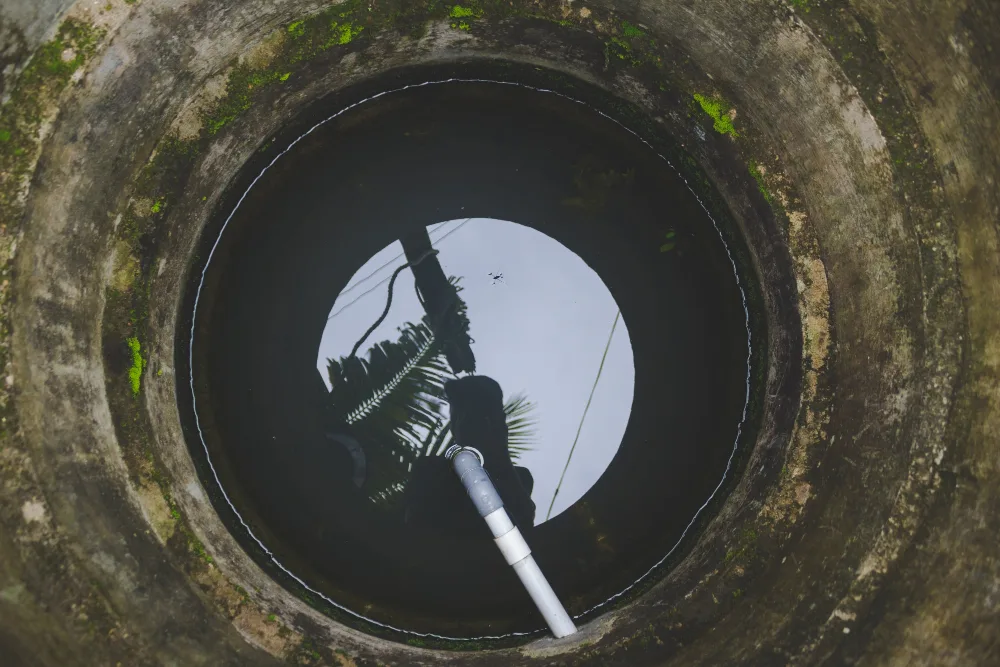
Ignoring your septic tank in Florida is a gamble you don't want to take. With our high water table and heavy summer rains, a neglected system can turn into a messy, expensive backup right in your backyard. If you're a homeowner in Central Florida, knowing when to pump your tank is the key to keeping your plumbing running smoothly.
How Many Years Between Septic Pumpings?
In Florida, pump your septic tank every 3 to 5 years. This is the general rule for a standard 1,000-gallon tank serving a family of four. However, homes with older systems or garbage disposals may need septic tank pumping as often as every 2 years.
Waiting until you have a problem is usually too late. Pumping removes the solids that settle at the bottom of the tank. If that sludge layer gets too high, it flows out into your drainfield. Once sludge clogs your drainfield, you're not looking at a few hundred dollars for pumping anymore. You are looking at thousands for a full replacement.
In our years serving Central Florida, we’ve found that many homeowners in older neighborhoods like Winter Park often forget that their tanks might be smaller than modern code requires. A smaller tank means you need to pump it more frequently to avoid disaster.
What Factors Change Your Pumping Schedule?
Three main things determine how fast your tank fills up: household size, tank capacity, and what goes down the drain. A single person living in a three-bedroom home in Lake Nona puts far less stress on the system than a family of five in the same house.
Water usage is the biggest variable. Every drop of water that goes down your shower, sink, or toilet ends up in the tank. If you do five loads of laundry in one day, you flood the tank with water. This stirs up the solids and pushes them out into the drainfield before they settle. Spreading your laundry out over the week helps your system separate waste properly.
Your appliances matter too. If you use a garbage disposal, you're adding up to 50% more solids to your tank. We always tell our customers that garbage disposals are the enemy of septic systems. If you must use one, intend to pump your tank every 2 to 3 years instead of the standard 3 to 5.
How Much Does Septic Pumping Cost in Orlando?
For most residential tanks in Orange and Seminole counties, expect to pay between $275 and $550 for a standard pump-out. The final price depends on the size of your tank and how easy it is to access the lid.
If your tank lid is buried deep underground, the technician has to dig to find it. This labor adds to the cost. Installing a riser brings the lid to the surface and saves you money on future service calls. Also, if the tank hasn't been pumped in a decade, the solids might be hardened. Breaking up compacted sludge takes extra time and equipment, which can increase the bill.
Signs Your Tank Needs Attention Now
Slow drains, gurgling toilets, and bad smells near the drainfield are clear warnings that your system is struggling. If you notice water backing up into your shower when you flush the toilet, stop using water immediately and call a professional.
Sometimes, the issue isn't a full tank but a blockage in the pipe leading to it. A sewer line camera inspection and jetting service can identify if tree roots or a clog are stopping the flow. We often see this in established areas with large oak trees, like College Park. Roots seek out the moisture in your pipes and block the line, even if the tank itself is empty.
Look for soggy spots in your yard even when it hasn't rained. If the grass over your drainfield is bright green and growing faster than the rest of the lawn, your system might be leaking sewage near the surface. This creates a health hazard for your family and pets.
Does Florida Weather Impact Septic Systems?
Florida's sandy soil and heavy rainfall affect how well your drainfield works. During the wet season from June to November, the ground is already saturated. This makes it harder for your drainfield to absorb the treated water leaving your tank.
In areas with high water tables, like parts of Kissimmee and St. Cloud, the drainfield has to work harder. If you neglect pumping, the combination of sludge and saturated soil causes the system to fail faster than it would in drier climates. Keeping the tank pumped reduces the load on the drainfield and helps it survive our wet summers.
Why Choose a Local Septic Tank Service in Orlando?
When you need septic tank service Orlando locals trust, look for a company that understands our specific soil conditions and county regulations. A licensed contractor knows that Orange County code requires specific setbacks and disposal methods that protect our local waterways.
Hiring a septic tank service Orlando provider ensures you get someone who knows the difference between a failing drainfield and a simple clog. We see too many homeowners get talked into expensive replacements when a thorough cleaning and a new filter would have resolved the problem.
A reputable septic tank service Orlando company will also inspect the baffles and filters during the pump-out. The filter prevents solids from leaving the tank. If the technician just pumps the tank and leaves without cleaning the filter, your system isn't truly maintained.
Need Fast Septic Help?
Don't wait for sewage to back up into your home. Regular maintenance saves you money and keeps your property safe. Our team is ready to help you keep your system running right.
Contact Centrel Services at (321) 363-1995 for a free estimate or to schedule your service today.