
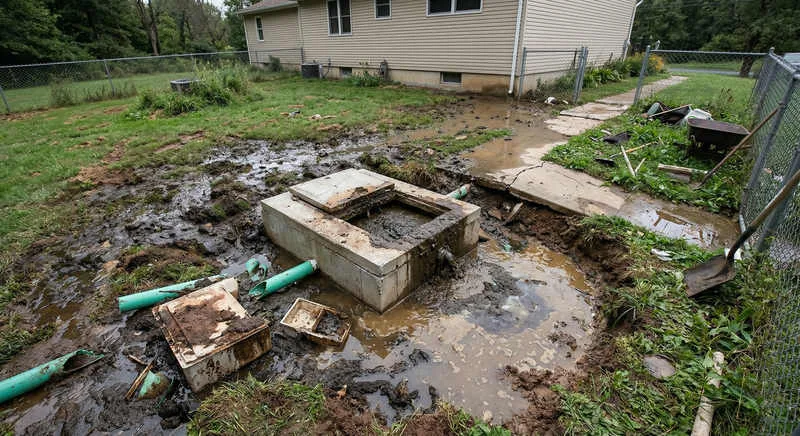
A neglected septic tank doesn't give you much warning. One week everything seems fine, and the next you've got sewage backing up into your home or a flooded drain field that costs $10,000 or more to replace. For Central Florida homeowners, 2026 brings stricter oversight of failing systems, making routine maintenance more than just smart practice. It's your best line of defense.
Centrel Services has spent over 20 years helping homeowners across Orlando, Sanford, and Kissimmee keep their systems running safely. If you're overdue for a pump out or just want to know where you stand, call us at (321) 363-1995 for a free estimate.
How Does a Septic Tank Actually Work?
Your septic tank separates waste into three layers: solids that sink to the bottom (sludge), liquid wastewater in the middle (effluent), and lighter materials that float on top (scum). The liquid layer flows out to your drain field, where the soil filters it naturally.
The problem starts with the sludge. Bacteria inside the tank break down solids, but not completely. Over months and years, that sludge layer builds up. When it gets too thick, it has nowhere to go but into your drain field. Once solids reach the drain field, the soil clogs and loses its ability to filter water. That's when a simple pump-out turns into a full system replacement. Staying on top of septic systems maintenance in Central Florida means you're managing that sludge layer before it ever becomes a threat.
Why Does Florida Make Septic Maintenance Harder?
Central Florida's environment puts extra stress on septic systems compared to most of the country. Three factors make a real difference here.
High water table. Across much of the Orlando metro, including neighborhoods near Lake Nona and areas stretching toward Kissimmee, the water table sits close to the surface. A saturated drain field can't properly treat effluent, which creates both a health hazard and a compliance risk.
Sandy soil. Florida's sandy soil drains quickly. That sounds good, but it means partially treated wastewater can move toward groundwater sources faster than in clay-heavy soils in other states.
Year-round heat. Unlike northern states where cold winters slow system activity, Central Florida's warm climate keeps bacterial activity going all year. More consistent household water use, combined with year-round occupancy, means tanks fill faster than homeowners often expect.
Our technicians find that homes near low-lying areas, particularly around flood-prone parts of Sanford and east Orange County, are more likely to see drain field problems if pumping schedules slip.
What Are the Warning Signs You Shouldn't Ignore?
Septic problems rarely appear all at once. They tend to build gradually, which gives you a window to act before minor issues become expensive failures.
Watch for these signals:
- Slow drains throughout the house. One slow drain usually means a clog. Multiple slow drains at the same time often point to a full tank.
- Gurgling sounds when you flush or run the washing machine.
- Sewage odors in the yard, especially near the tank or drain field area.
- Unusually green grass over the drain field, even during dry stretches. Wastewater surfacing acts as fertilizer.
- Wet or soggy spots in the yard when it hasn't rained.
If you're seeing any of these signs, don't wait. Our sewer line camera inspection and jetting service can identify exactly what's happening inside your pipes before any guesswork leads to unnecessary digging.
How Much Does Septic Pumping Cost vs. System Replacement?
Routine septic tank pumping in the Orlando area typically runs between $300 and $500 for a standard residential tank, depending on size, accessibility, and how long it's been since the last service.
A full drain field replacement? That can run anywhere from $5,000 to $15,000 or more, depending on the size of the property and how severely the field has failed.
Put simply, skipping a $400 pump out every few years to "save money" is how homeowners end up writing five-figure checks. Regular septic systems maintenance in Central Florida is the single most cost-effective thing you can do to protect your property value and avoid emergency repair bills.
Homes in areas like Winter Park with older infrastructure often have smaller tanks that need more frequent service. A tank in the 750-1,000 gallon range fills up faster than a 1,500-gallon system, especially with high daily water use.
How Often Should You Pump Your Septic Tank in Florida?
Most Florida households should pump their septic tank every 3 to 5 years. That said, pumping frequency depends on two main factors: household size and tank capacity.
Here's a practical guide:
Household Size | Recommended Pumping Interval |
1-2 people | Every 5 years |
3-4 people | Every 3-4 years |
5+ people | Every 2-3 years |
Homes with garbage disposals | Every 2-3 years regardless of size |
Florida regulations recommend following these intervals to maintain system health and avoid violations. For households in areas with a higher water table, erring toward the shorter end of that range is a smart call.
If you're not sure when your tank was last pumped, that's reason enough to schedule a service call. Our technicians can inspect the sludge depth on arrival and give you a clear picture of where your system stands.
What Happens During a Professional Pump Out?
A professional pump out isn't just vacuuming the tank. Here's what a proper service looks like:
- Tank location and access. Many older Central Florida homes have buried lids. We use probing and locating equipment to find them, and can install risers to make future access easier.
- Full pump out. We remove all solids and liquids, not just the top layer. Partial pump outs leave behind sludge that accelerates the next buildup.
- Visual inspection. With the tank empty, we check the interior for cracks, damaged baffles, and signs of structural wear.
- Documentation. You get a record of the service and a recommendation for your next pumping based on your household's actual usage.
Good septic systems maintenance in Central Florida starts with this kind of thorough, documented service. It's not just about emptying a tank. It's about catching problems while they're still small.
Schedule Your Pump Out Before It Becomes an Emergency
Most septic system failures don't happen overnight. They're the result of years of deferred maintenance. The good news is that staying ahead of the problem is straightforward and affordable.
Centrel Services serves homeowners across Orlando, Sanford, Kissimmee, and all of Central Florida. We're licensed, insured, and have pumped over 5,000 tanks across five counties. Same-day and emergency service are available when you can't afford to wait.
Call us today at (321) 363-1995 to schedule your pump out or request a free estimate. A short service call now is far easier to deal with than a drain field failure next year.