
When a toilet stops flushing properly, drains begin backing up, or strange odors appear around your property, most homeowners immediately assume the worst. Many jump to the conclusion that their septic system has failed and needs costly replacement. The reality is that septic problems can have many causes. Some issues are relatively simple maintenance concerns, while others require repairs or system replacement. The key is identifying the actual problem before spending money on unnecessary work.
At Centrel Services, troubleshooting is one of the most important parts of our process. Rather than guessing, we use a systematic approach to determine exactly what is happening underground. As founder Sylvester explains: "We troubleshoot to determine if a drain field is in failure or needs maintenance." This focus on identifying root causes helps homeowners throughout Orlando, Osceola County, Volusia County, and Central Florida receive the right solution the first time.
Why Proper Septic Troubleshooting Matters
Many septic contractors immediately recommend pumping, repairs, or replacement without fully investigating the system. At Centrel Services, we believe every issue deserves a thorough diagnosis first. When wastewater systems are not properly evaluated, homeowners may spend thousands of dollars fixing symptoms while the actual problem remains unresolved.
Our philosophy is simple: "We look for utilities, we are concerned with pipe leveling, location, orientation, and elevations to ensure the best results. We take the extra mile." By focusing on the entire septic system and wastewater infrastructure, we can identify problems accurately and recommend the most effective solution.
Common Signs Your Septic System Needs Investigation
Many septic issues start with subtle warning signs. Ignoring them can lead to larger repairs and expensive emergencies.
Some of the most common symptoms include:
Slow draining sinks and tubs
Gurgling toilets
Bubbling sounds in plumbing fixtures
Sewage odors indoors or outdoors
Standing water in the yard
Saturated grass above the drain field
Sewage backups inside the home
Unusually green grass over the drain field
According to Sylvester: "Telltale signs that need investigation include extremely green grass over the leach field, bubbling or gurgling, and very saturated grass over the drain field area." While these symptoms often indicate septic issues, they do not automatically mean the drain field has failed. That is why professional troubleshooting is so important.
Step One: Checking the Cleanout
One of the first diagnostic steps involves inspecting the cleanout. Many homeowners have never heard of a cleanout, but it can provide valuable information about what is happening inside the system.
Sylvester explains: "If the cleanout doesn't have liquid inside or is dry, then we immediately know the drain field isn't the issue. It is a plumbing issue." This simple inspection can save significant time and money by ruling out certain causes right away. If the cleanout remains dry, technicians know to investigate the home's plumbing system rather than focusing on the septic system. This is a perfect example of why accurate troubleshooting prevents unnecessary repairs.
Step Two: Inspecting the Septic Tank
If liquid is present in the cleanout, the next step is evaluating the septic tank. Technicians locate and expose the tank to inspect wastewater levels and overall performance. A properly functioning septic tank should maintain specific operating levels. When those levels are abnormal, additional investigation is required.
The septic tank inspection helps determine whether the issue is related to:
Lack of maintenance
Clogged filters
Hydraulic overload
Drain field problems
Wastewater flow restrictions
This process allows technicians to narrow down potential causes before recommending repairs.
The Importance of Septic Tank Filters
Many homeowners are unaware that septic tank filters require routine maintenance. A clogged filter can create symptoms that closely resemble more serious septic system failures. Sylvester explains the process: "If the filter is removed and the liquid level lowers, then we know it is a filter issue. The filter can be cleaned and reinstalled. We then inform the customer that the filter should be cleaned once a year."
This is an excellent example of why professional troubleshooting matters. Without proper inspection, a homeowner might mistakenly believe they need drain field replacement when a simple filter cleaning resolves the issue. Routine maintenance remains one of the best ways to avoid emergency septic problems.
Determining Whether the Drain Field Is the Problem
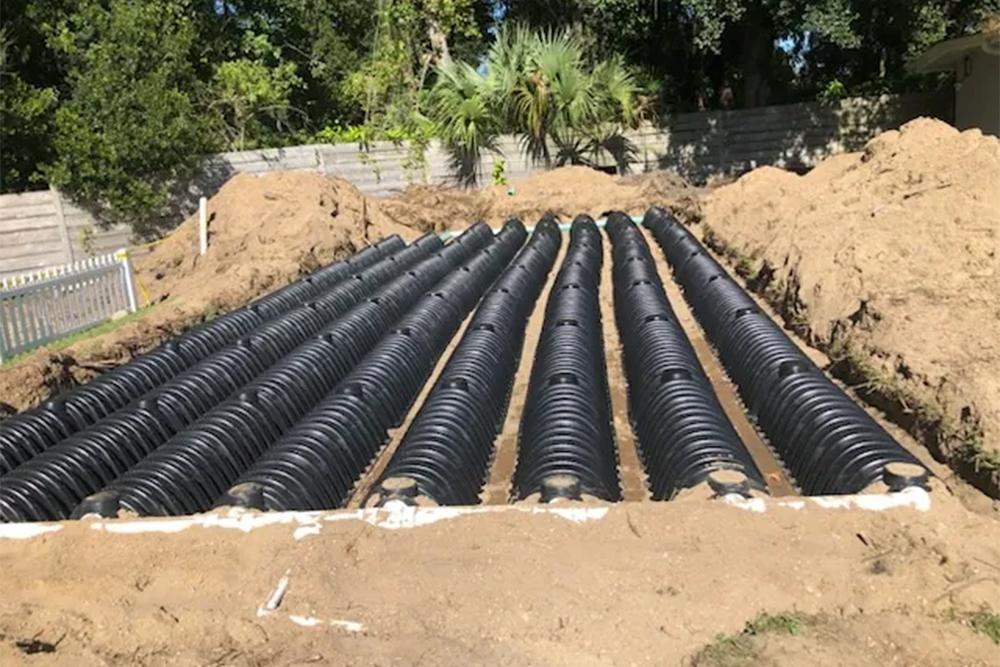
Once the cleanout and septic tank have been evaluated, attention turns to the drain field if necessary. The drain field is responsible for dispersing wastewater safely into the surrounding soil. When it becomes overloaded or damaged, the system can no longer process wastewater effectively.
Symptoms often include:
Persistent wet areas
Strong sewage odors
Slow drainage throughout the home
Backed up plumbing fixtures
Surface wastewater
According to Sylvester: "If the liquid level does not lower, then we know there is an issue with the drain field and we continue investigating." At this stage, technicians combine system inspections with visible site conditions to determine whether repairs or replacement may be required. Learn more about drain field solutions.
How Sewer Camera Inspections Help Find Hidden Problems
Many septic and sewer issues occur underground where homeowners cannot see them. This is where advanced technology becomes invaluable. At Centrel Services, camera inspections play a major role in identifying root causes.
Sylvester explains: "We rely on precise camera inspections to detect different degrees of pipe offsets, blockages, and other issues that may lead to the symptoms a property owner may be facing." High definition sewer cameras allow technicians to inspect underground pipelines without excavation.
Camera inspections can reveal:
Pipe blockages
Root intrusion
Pipe collapses
Cracks and fractures
Offset joints
Grease buildup
Foreign objects
Rather than guessing, camera technology provides visual confirmation of the problem. This helps eliminate unnecessary repairs while ensuring accurate recommendations.
Why Homeowners Often Misdiagnose Septic Problems
One of the biggest misconceptions is assuming every septic issue means complete system failure. In reality, several different problems can produce similar symptoms.
For example, a clogged filter can cause slow drainage. A plumbing blockage can create backups. A damaged sewer pipe can mimic drain field issues. Heavy rain can temporarily affect system performance. A failing drain field can create odors and standing water. Without professional troubleshooting, it is difficult to determine which issue is actually occurring. This is why Centrel Services focuses on diagnosis before recommendations: "We address the actual cause, whether it's a repair, replacement, installation, or maintenance service."
The Impact of Central Florida Conditions
Septic troubleshooting in Central Florida requires understanding local environmental factors. The region's sandy soils, high water tables, and intense rainfall create unique challenges for wastewater systems.
Sylvester explains: "Central Florida's sandy soil, high water tables, and heavy rains can put a lot of stress on septic drain fields and stormwater systems." During major rain events, groundwater levels can rise significantly. Saturated soil reduces the ability of drain fields to absorb wastewater efficiently. This is why some septic issues appear after heavy storms even when the system was functioning normally beforehand. Proper stormwater management can help reduce strain on wastewater infrastructure.
The No Call Backs Philosophy
One of the principles that separates Centrel Services from many septic contractors is our commitment to getting the job done correctly the first time. Sylvester takes great pride in quality workmanship and thorough diagnostics: "Having a company certified in plumbing and underground utilities means our technicians are working with state codes and standards in mind, resulting in the highest quality work and standards the first time."
This commitment extends beyond repairs; it begins with the troubleshooting process itself. Accurate diagnostics help prevent unnecessary work, reduce customer costs, and improve long term system reliability.
Why Experience Makes a Difference
Wastewater systems are easy to take for granted until something goes wrong. As Sylvester puts it: "When it comes to sewer, septic, and wastewater, consumers tend to take it for granted. If we have running water and a toilet that flushes well, we go on about our day without thinking about these functions."
The problem is that underground issues rarely fix themselves. Small concerns often become major emergencies when ignored. With more than two decades of underground utility experience, Centrel Services understands how to evaluate systems properly and identify issues before they become catastrophic failures. That expertise helps homeowners make informed decisions instead of reacting to emergencies.
Protect Your Septic System with Professional Troubleshooting
If you are experiencing slow drains, sewage odors, standing water, plumbing backups, or other septic concerns, do not assume the worst. Accurate troubleshooting is the first step toward finding the right solution.
Centrel Services provides professional septic inspections, septic tank pumping, sewer camera inspections, drain field evaluations, stormwater system services, and wastewater solutions throughout Orlando, Osceola County, Volusia County, and surrounding Central Florida communities. Our commitment to quality workmanship, accurate diagnostics, transparent communication, and getting the job done right the first time ensures homeowners receive solutions they can trust.
Contact Centrel Services today to schedule a professional septic system evaluation and discover why Central Florida property owners rely on our expertise for their sewer, septic, and underground utility needs.