
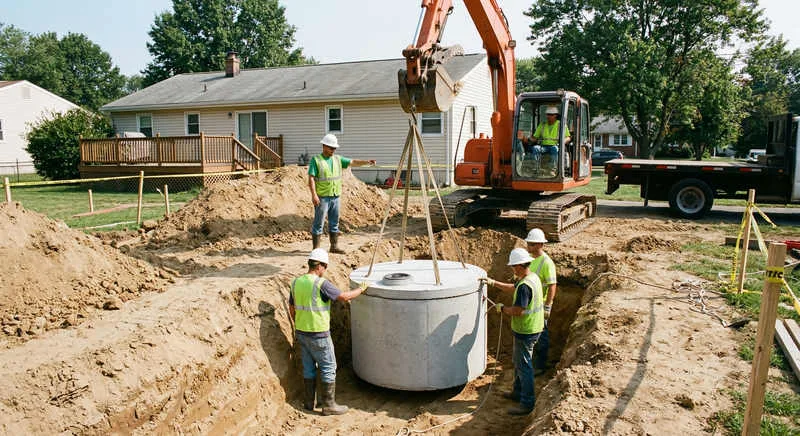
Building a home or replacing an outdated wastewater system in Daytona Beach often means dealing with a septic tank. If your property sits outside city sewer lines, like many in Volusia County, your septic system is your home's personal wastewater treatment plant. Installing it correctly prevents messy backups and saves you thousands of dollars in future repairs.
What Goes into a Septic System?
A standard septic system consists of two main parts: a watertight tank and a drain field. The tank holds solids, allowing them to settle as sludge, while liquid wastewater (effluent) flows into the drain field to be filtered by the soil. In Florida's sandy terrain, this balance is vital for preventing groundwater contamination.
While the tank itself is usually concrete or plastic, the pipes connecting everything are just as important. If you're renovating an older property and have existing pipes that need work before a new tank goes in, trenchless pipe lining and repair is often a smart option. This method fixes pipes without tearing up your driveway or landscaping, which is a huge plus for established homes near the Halifax River.
Do You Need a Permit for Septic Installation in Florida?
Yes, you absolutely need a permit from the Florida Department of Health (FDOH) before starting any septic work. In Volusia County, this process typically takes 2 to 4 weeks and costs between $400 and $600, depending on the system type. You cannot legally install or repair a septic system without this approval.
The permitting process starts with a site evaluation, often called a "perc test." An expert analyzes your soil type and the water table level. This is critical in areas like Port Orange or Ormond Beach, where the water table can be surprisingly high. If the water table is too close to the surface, you might need a mound system instead of a standard in-ground system, which changes the installation cost significantly.
How Is a Septic Tank Actually Installed?
Installation is a multi-day process that involves excavating the site, placing the tank, and laying out the drain field trenches. A professional crew digs a hole roughly 5 to 7 feet deep, ensuring the tank sits level on a bed of compacted sand or gravel. Once placed, the pipes connect the home's plumbing to the tank inlet.
1. Site Preparation
Before a shovel hits the dirt, the area must be cleared. This means removing trees, large roots, or old structures that could interfere with the tank. Heavy machinery is required, so access to the backyard is necessary.
2. Choosing the Tank
Most residential tanks hold between 900 and 1,200 gallons. Concrete tanks are durable and heavy, making them less likely to float if the ground floods—a real concern during Florida hurricane seasons. Plastic tanks are lighter and easier to install but require careful backfilling.
3. Installing the Drain Field
The drain field is where the real treatment happens. Perforated pipes are laid in trenches filled with gravel or synthetic aggregate. If you're replacing a system because of a failure, you might need extensive drain field repair & replacement. This part of the job requires precision; the pipes must slope exactly 1/4 inch per foot to ensure gravity moves the water correctly.
4. Backfilling and Grading
Once everything is connected and inspected by the county, the crew covers the system. We grade the soil so rainwater flows away from the septic tank service Daytona Beach residents rely on. Proper grading stops the drain field from getting swamped during our summer thunderstorms.
What Are Common Installation Mistakes?
The biggest mistake we see is installing a tank that is too small for the household's water usage. A 3-bedroom home typically requires a 900 to 1,000-gallon tank minimum. Undersizing leads to frequent pump-outs and early system failure because the solids don't have enough time to settle before the water moves to the drain field.
Another issue is ignoring the "setback" requirements. Florida code requires the tank to be a specific distance from the house (usually 5 feet) and away from potable water wells (usually 75 feet). In our years serving Central Florida, we’ve seen DIY attempts fail because they guessed these distances and got flagged during the final inspection.
Finally, driving heavy equipment over the installation site after the pipes are laid is a disaster. It crushes the pipes and compacts the soil, ruining the drainage before you even flush the toilet for the first time.
How Often Should You Pump Your Septic Tank?
You should pump your septic tank every 3 to 5 years, depending on your household size. A family of four using a 1,000-gallon tank fills it with sludge much faster than a couple. Neglecting this leads to solids entering the drain field, causing expensive clogs that no amount of chemicals can fix.
Regular maintenance is always cheaper than replacement. A standard pump-out might cost $300 to $500, whereas a full system replacement can run $6,000 to $15,000. When you schedule septic tank service Daytona Beach locals trust, your technician will also check the inlet and outlet baffles (tees) to make sure they aren't damaged.
Watch out for signs of failure, such as:
- Slow draining sinks and toilets.
- Gurgling sounds in the plumbing.
- Bright green, spongy grass over the drain field.
- Bad odors near the tank.
Need Help with Your Septic System?
Septic installation is not a weekend DIY project; it's a regulated construction job that protects your health and property value. Whether you need a new installation or reliable septic tank service Daytona Beach homeowners count on, getting professional help ensures the job is done right the first time.
Contact Centrel Services at (321) 363-1995 for a consultation. We’ll assess your property and guide you through the permitting and installation process.